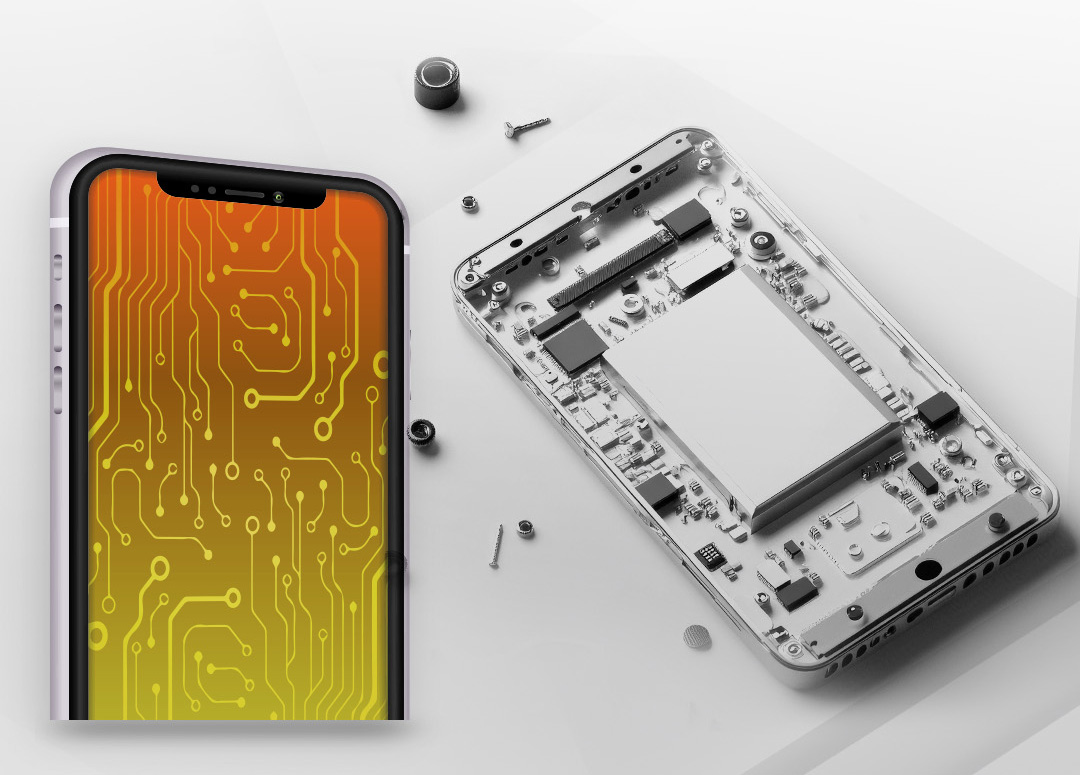
When a device stops working, most people only see the problem a broken screen, a battery that won’t last, or a phone that simply won’t turn on. What they don’t see is the detailed process that takes place behind the scenes to restore it.
Understanding how a repair is carried out helps build trust in the process and highlights the importance of professional handling.
Initial inspection and diagnosis
Every repair begins with a thorough inspection. Technicians assess the device to identify both visible and hidden issues. This step is critical, as the initial problem may not always be the only one affecting performance.
Identifying the root cause
A proper diagnosis goes beyond symptoms. The goal is to find the exact cause of the issue, whether it’s a hardware fault, software malfunction, or a combination of both. Accurate diagnosis ensures that the repair is effective and not temporary.
Careful disassembly
Devices are carefully opened using specialized tools. This stage requires precision, as modern devices are compact and sensitive. Every component must be handled correctly to avoid additional damage.
Repair or component replacement
Once the issue is identified, the necessary repair is performed. This may involve replacing parts, restoring connections, or resolving internal faults. The focus is always on restoring full functionality.
Testing and quality control
After the repair, the device goes through a series of tests. These checks ensure that everything is working properly from performance and battery function to connectivity and overall stability.
Final preparation
Before the device is returned, it is cleaned and prepared for delivery. The goal is to ensure that it is fully functional and ready for everyday use.
Conclusion
Device repair is a structured and detailed process that requires technical expertise and precision at every step. Knowing what happens behind the scenes helps users understand the value of professional service and the importance of handling devices with care.