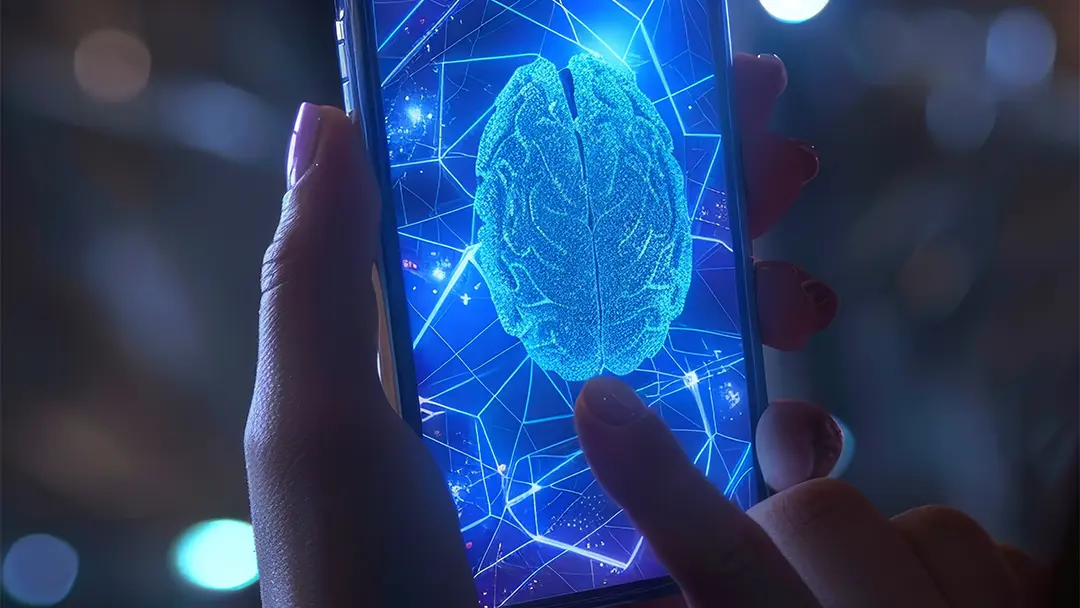
Artificial intelligence is no longer just a feature reserved for computers or specialised applications. It is becoming an increasingly important part of the smartphone experience, changing the way people communicate, create content, search for information and manage everyday tasks.
As smartphone technology continues to evolve, AI is moving beyond simple voice assistants and becoming integrated into the operating system itself.
From Smart Features to Smarter Experiences
Today’s smartphones can use AI to help users write and edit content, recognise information on screen, improve photos, summarise conversations and translate languages.
For example, Xiaomi’s latest HyperOS experience includes AI-powered writing, speech recognition, real-time transcription, summarisation, translation and smarter search capabilities.
Apple is following a similar direction with the next generation of Apple Intelligence, introducing AI capabilities across iPhone, iPad, Mac, Apple Watch and other products. The company is positioning these features as part of everyday experiences rather than separate AI applications.
AI Is Becoming More Personal
One of the biggest changes is the move toward personalised technology.
Instead of simply responding to commands, AI-powered devices are increasingly designed to understand context and help users complete tasks more efficiently. This could mean summarising information, improving communication, finding content faster or assisting with creative work.
The result is a smartphone that feels less like a collection of individual applications and more like an intelligent assistant integrated into everyday life.
What Does This Mean for Consumers?
For consumers, the growing role of AI means that choosing a new smartphone is no longer only about camera quality, storage or processing power.
Software capabilities, AI functions, privacy and long-term support are becoming equally important factors.
At the same time, not every AI feature is available on every device. Compatibility, language, region and hardware requirements can affect the experience, making it important to understand what a device actually supports before upgrading.
The Smartphone Market Is Moving Forward
The European smartphone market continues to evolve, with demand remaining resilient despite rising costs and supply challenges. In the first quarter of 2026, the European market grew by 2%, while premium devices continued to play an important role for major manufacturers.
As competition increases, AI is becoming one of the key areas where manufacturers differentiate their products.
What Comes Next?
The future of smartphones is likely to be increasingly intelligent, connected and personalised. AI will continue moving from a headline feature to something users interact with naturally throughout the day.
For consumers, the most important question may no longer be simply “Which smartphone should I buy?” but rather “Which technology can make my everyday life easier?”
The next generation of smartphones is already beginning to answer that question.