The smart home is no longer just about controlling a light from your phone. Today’s connected devices are becoming more intelligent, more automated and increasingly focused on making everyday life easier.
From air conditioning and air purification to cleaning and connected appliances, smart technology is gradually changing the way we interact with our homes.
From Connected to Intelligent
Early smart home products mainly focused on remote control. Today, technology is moving towards automation and intelligent assistance.
Modern devices can connect to smartphones, communicate with other products and offer greater control over everyday functions.
This shift is part of a broader consumer technology trend. At IFA 2026, one of the world’s major consumer electronics events, AI, smart home technology and sustainable solutions are among the key areas expected to shape the conversation around new technology.
Comfort Meets Technology
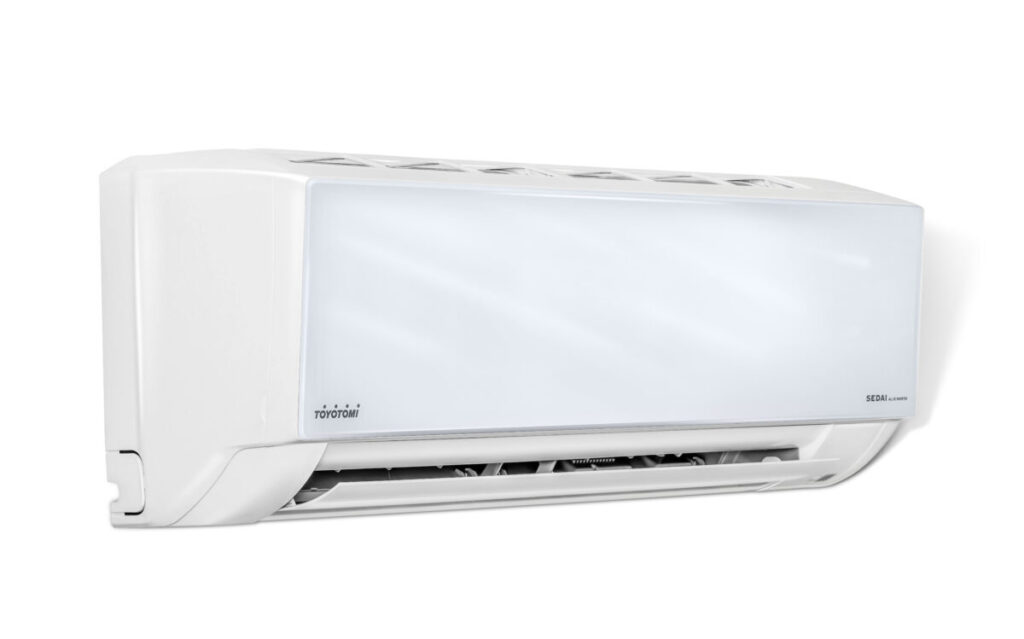
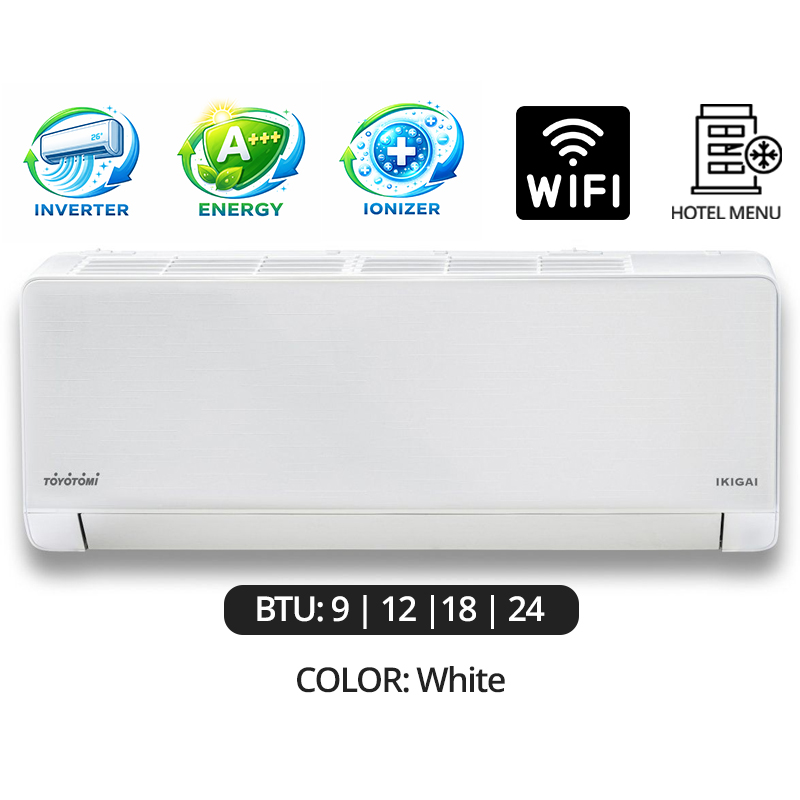
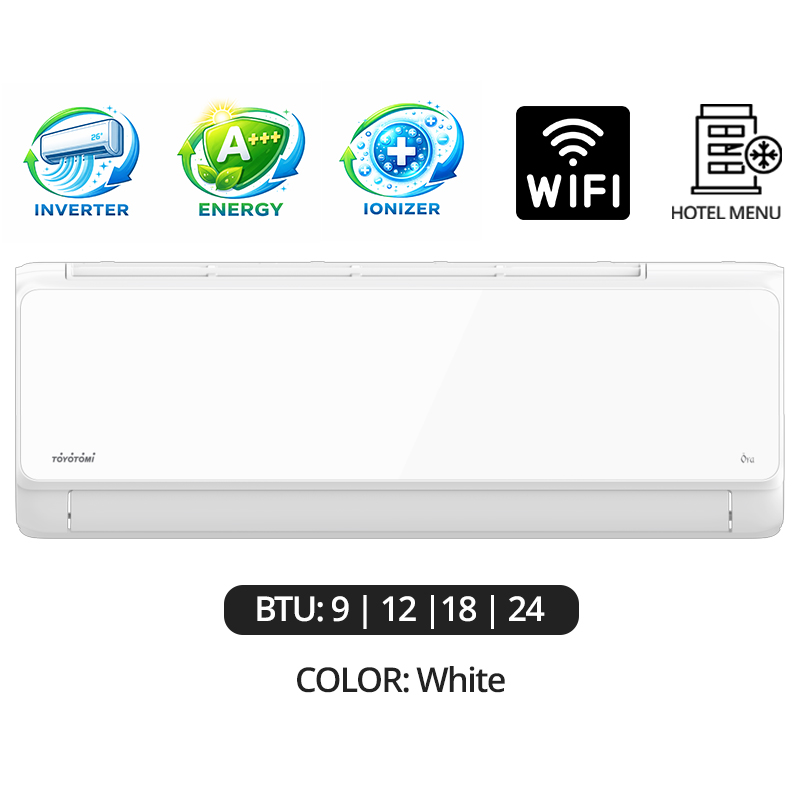
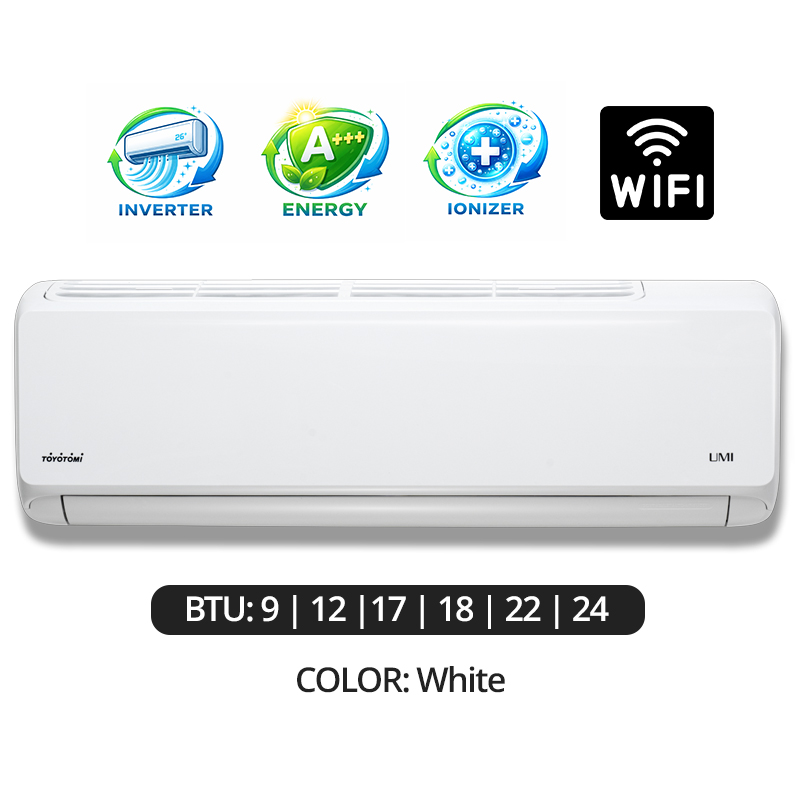
Air conditioning is a good example of how smart technology can improve everyday comfort.
Modern systems can offer features such as Wi-Fi control, allowing users to manage temperature and settings remotely. Other functions can focus on energy efficiency, quiet operation and improved air quality.
Instead of simply cooling a room, technology is increasingly helping users create an environment that suits their lifestyle.
Cleaner Air, Smarter Living
Air purification is another area where connected technology is becoming more relevant.
Smart air purifiers can monitor indoor conditions and automatically adjust their operation, helping maintain a more comfortable environment without requiring constant manual control.
This is particularly useful for people who want to pay more attention to indoor air quality while keeping everyday routines simple.
Automation Saves Time
One of the biggest advantages of smart home technology is convenience.
Robot vacuum cleaners, for example, can automate a task that traditionally requires regular time and effort. Instead of manually cleaning every day, users can schedule cleaning routines and let technology take care of the work.
The same principle applies across many areas of the home: technology works in the background so people can focus on other things.
Smart Does Not Always Mean Complicated
A common misconception is that smart technology requires a complicated setup or constant interaction.
In reality, the best smart devices are designed to simplify everyday routines. The goal is not to add more technology to your life, but to make the technology you already use more useful.
What’s Next for the Smart Home?
As AI and connected technology continue to develop, smart home devices are likely to become more responsive and better at working together.
The future of the smart home is not simply about having more connected devices. It is about creating a home where technology understands routines, responds to needs and works quietly in the background.
For consumers, this means more choice, greater convenience and increasingly personalised ways to experience everyday life.